What we supply and what we do not
In short
Mars Solar is a system supplier and integrator, not a cell or module manufacturer. We configure systems, select and supply equipment from established brands, test before shipment, and provide technical support through commissioning and after handover. We do not make battery cells or PV modules, and we do not carry out civil works or local installation ourselves.
Most supplier pages describe capability in the broadest possible terms. This one draws the line, because a project that starts with a clear boundary ends with fewer disputes.
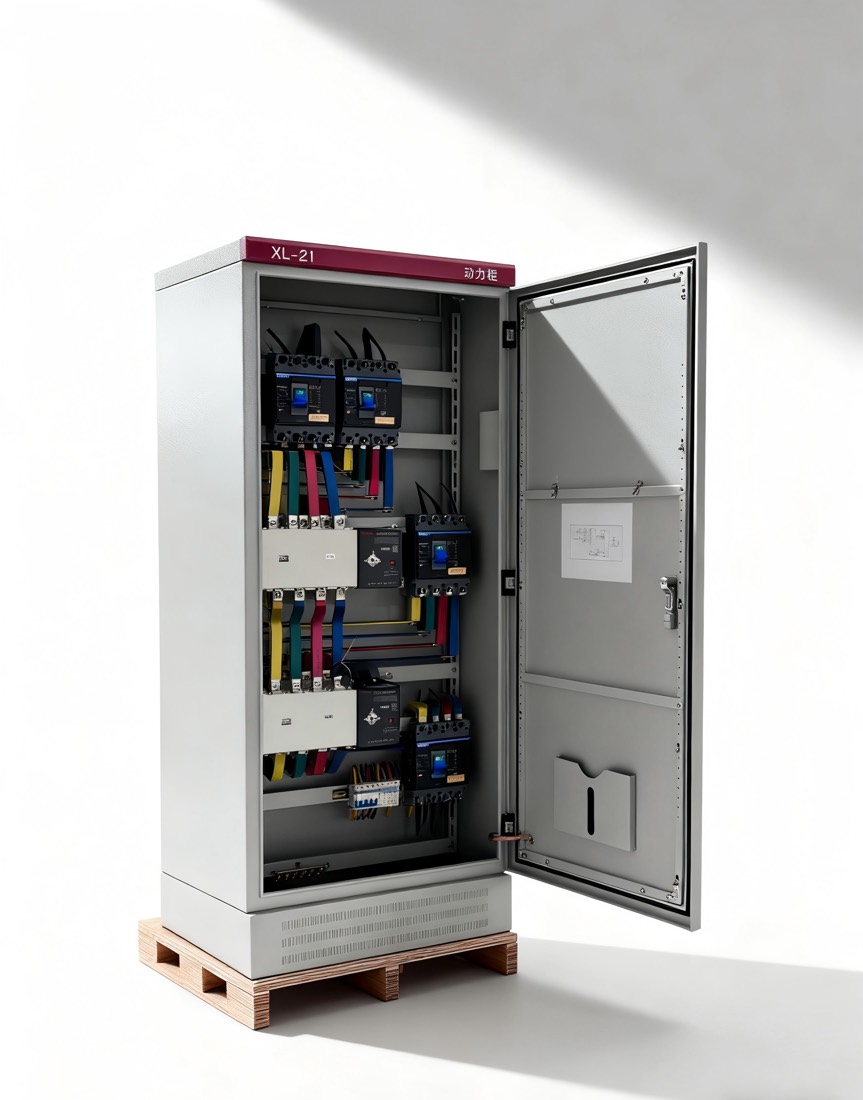
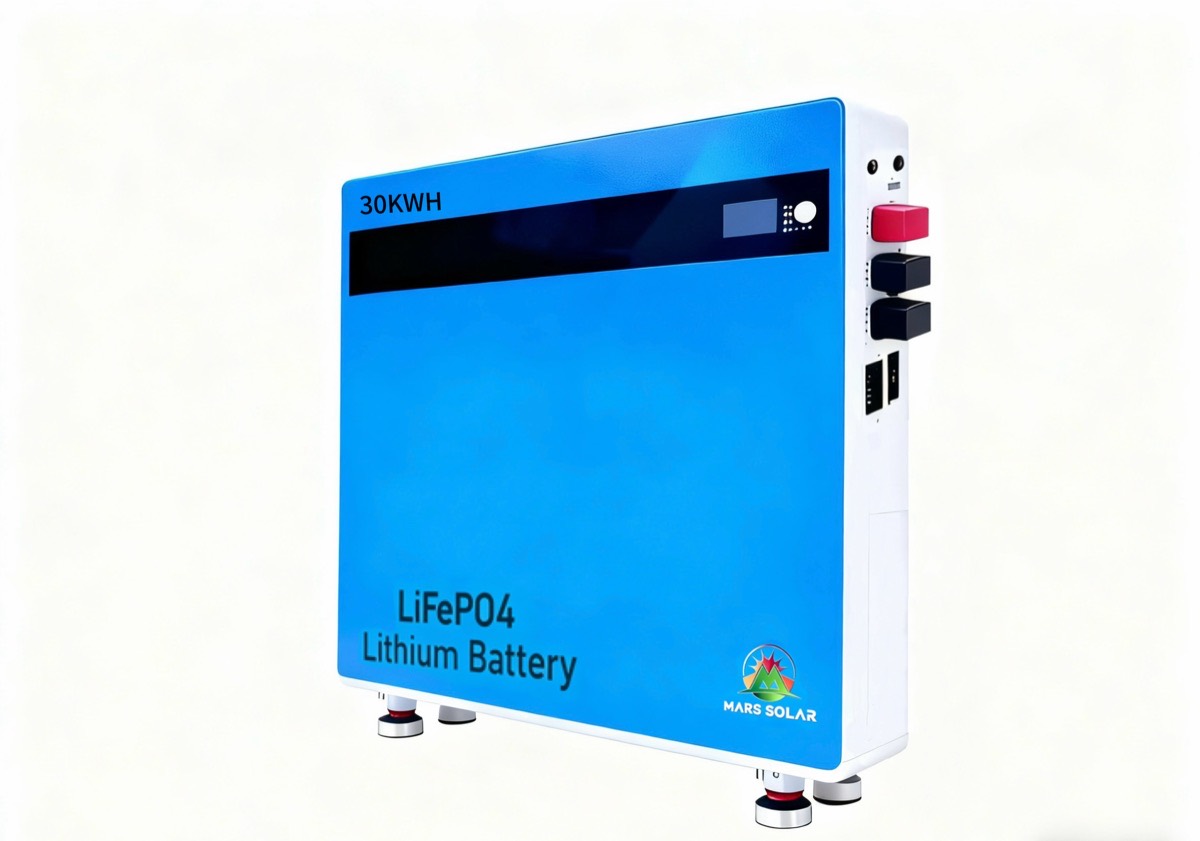
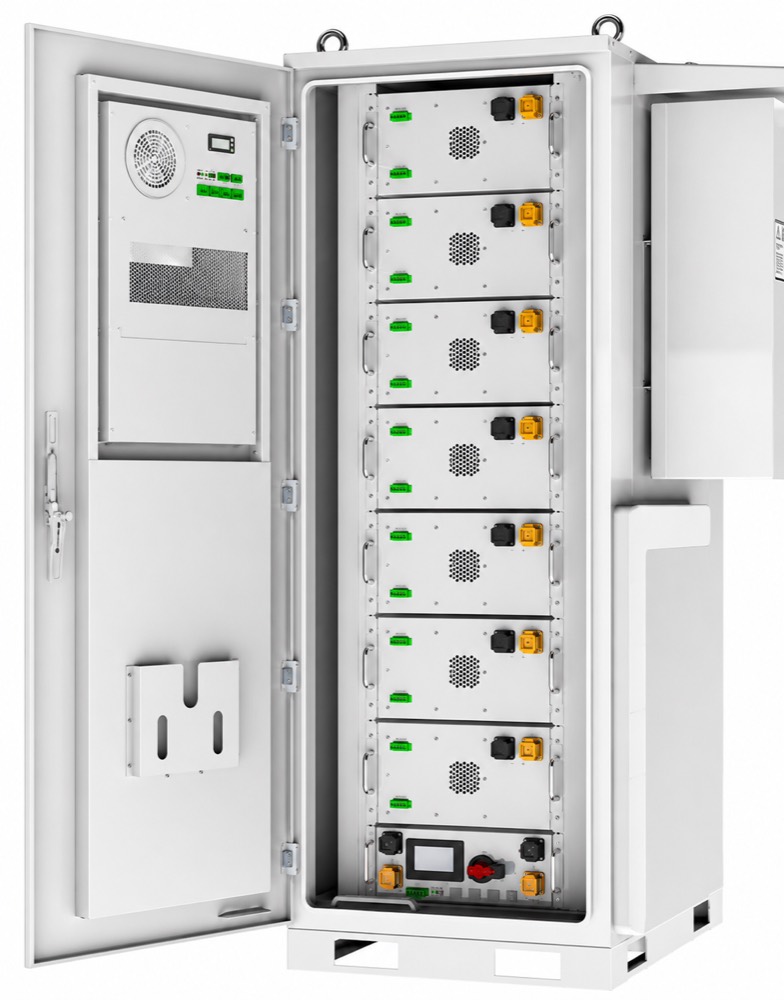
Example equipment categories we configure and supply. Equipment is labelled under the brand that manufactured it.
| We do | We do not |
|---|---|
| Configure the system against your load schedule and site conditions | Manufacture battery cells or PV modules |
| Select equipment and organise the supply chain, labelling equipment by its actual brand | Rebrand third-party equipment as our own product |
| Test before shipment and issue the test record with the equipment | Guarantee performance figures that depend on site conditions we do not control |
| Provide drawings, configuration tables and documentation you can hand to your client | Issue structural or electrical sign-off for a site we have not surveyed |
| Support commissioning remotely, and provide technical response after handover | Carry out civil works, cable trenches, foundations or local installation |
| Quote on-site attendance as a separate line where we can legally provide it | Claim a local service network in markets where we do not have one |
| Tell you when a requirement falls outside our scope | Accept a scope we cannot deliver, then sub-contract it without saying so |
Why we state it this way
Because the alternative creates a specific failure. When a supplier implies it manufactures everything and installs everywhere, the buyer discovers the gap at the point of delivery — when the equipment arrives, or when the commissioning engineer does not. By then the schedule is committed and the argument is about blame rather than about the project.
Stating the boundary early does something more useful: it tells you which questions to ask your local partner, and it tells us which parts of your project we should be quoting for.
How equipment is labelled
Equipment is supplied under the brand of the company that made it. Where a configuration combines equipment from different brands, the quotation lists each brand and model separately. This matters for warranty: a claim goes to the party that issued the warranty for that component, and the documentation pack shows which party that is.
What this means for an EPC
- You can present the configuration to your client as your design, with our documentation as the technical backing.
- You keep the site relationship and the installation scope, which is usually where your margin sits.
- You get a written scope split, so the interface between our supply and your works is defined before mobilisation.
- You get a single point of technical contact for configuration questions during the tender stage, which is when the questions are hardest.
Questions we will ask before quoting
| Question | Why it changes the offer |
|---|---|
| Who is installing? | Decides whether we quote equipment only, or equipment plus commissioning support |
| Is this a tender, and what is the closing date? | Tender packages need documentation to a specific format and a fixed response date |
| Which certifications does your client require? | Certificates apply per model; the required set may rule a model in or out |
| What is the site date? | Delivery window and configuration choice both follow from it |
| Who holds the warranty claim after handover? | Determines how the documentation pack is addressed |
If you need a supplier who manufactures the cells and installs on site, we are not that supplier, and we would rather say so now than at the delivery stage. What we do is configure, supply, test and support — and we do that part completely.