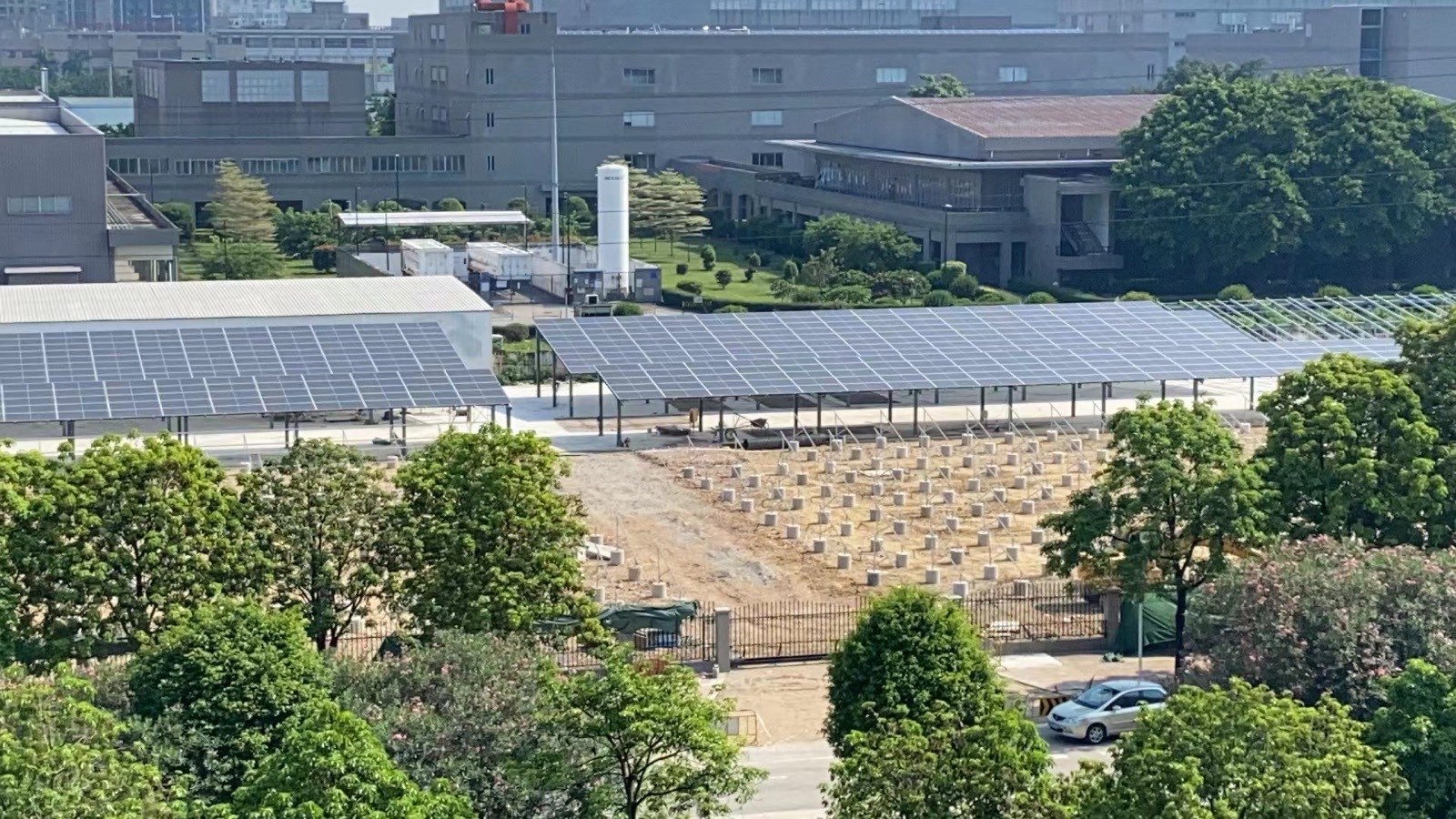
System configuration · Equipment supply · Technical support
Commercial Solar & Battery Storage for Factories, Hotels and EPCs
Configuration, equipment supply and technical support for your commercial project.
- Pre-shipment test record issued with every equipment delivery
- Design deliverables you can hand to your client: sizing calculation, single-line diagram, configuration table
- Supplied into West Africa, Southeast Asia and East Africa — reference configurations matched by region
Two ways to start. Send your electricity bill if you are the site owner. Send your load list and single-line diagram if you are the EPC.
Send project detailsProject references
Anonymised references we can discuss in engineering terms today. Client identities, site photographs and measured results are published only with the customer's written approval.
| Country | Industry | PV | Storage | Stage | Main design issue | Deliverables |
|---|---|---|---|---|---|---|
| Zimbabwe | Farm & agriculture | 1 MW | 2 MWh | Designed | Coordinating energy supply with ventilation, temperature-control and refrigeration loads | Sizing calculation, single-line diagram, configuration table |
| Nigeria | Hotel | 250 kW | Included — capacity shared with the reference details | Shipped | Evening peak after sunset and generator changeover during grid outages | Equipment supply with pre-shipment test records and delivery documentation |
| Philippines | Cold storage | 135 kW | On request | Commissioned | Continuous cooling load where an outage is a product loss; a second system was later added for the same client | Equipment supply, test records and after-sales technical support |
How to read the stage column. Designed — the configuration is complete and documented. Shipped — equipment delivered with pre-shipment test records. Commissioned — installed and handed over. Operating — measured results verified with the customer. A reference moves to Operating only after its measured results are verified, so each row above is read as an engineering reference at a stated stage, not as a result claim.
The full configuration behind each row — load profile, protection choices, scope split — is shared through the project assessment, so the comparison runs against your load shape rather than a headline number.
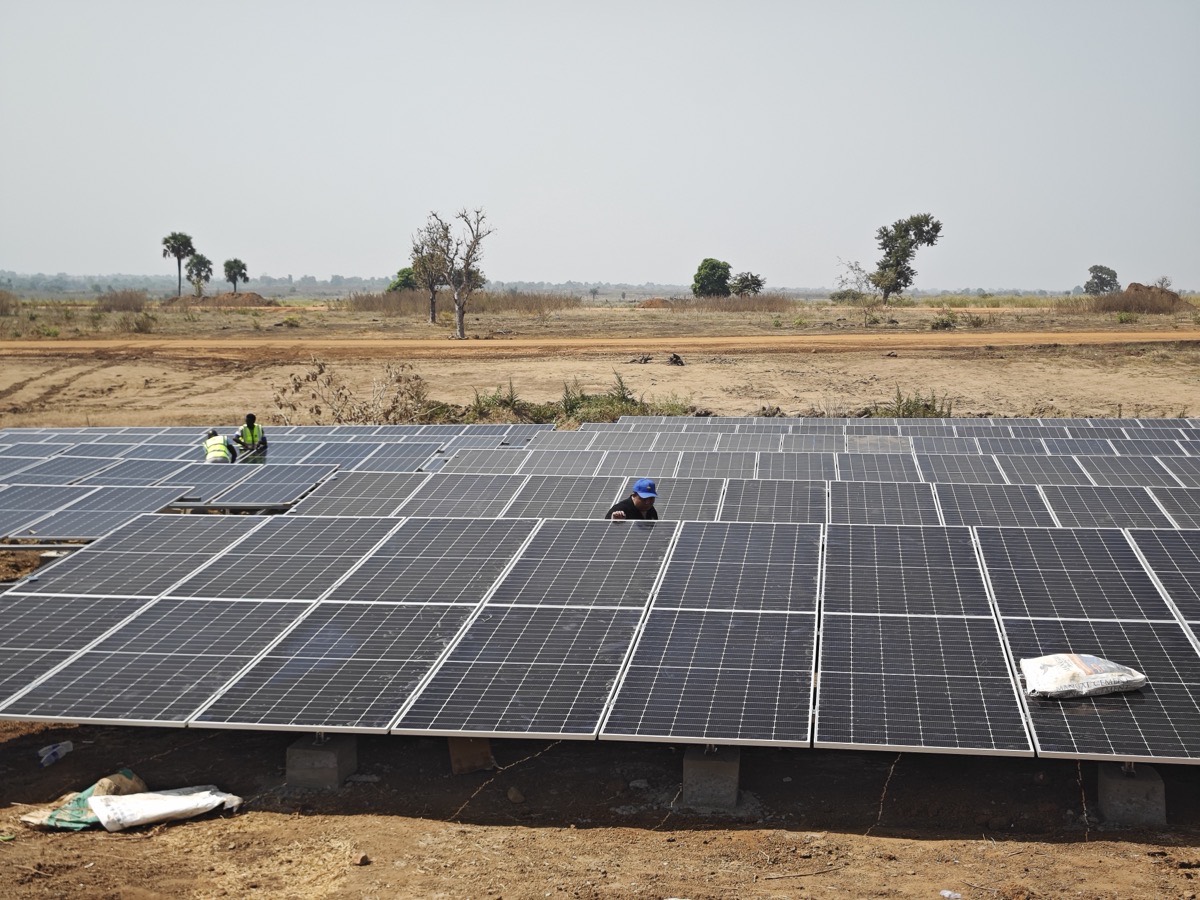
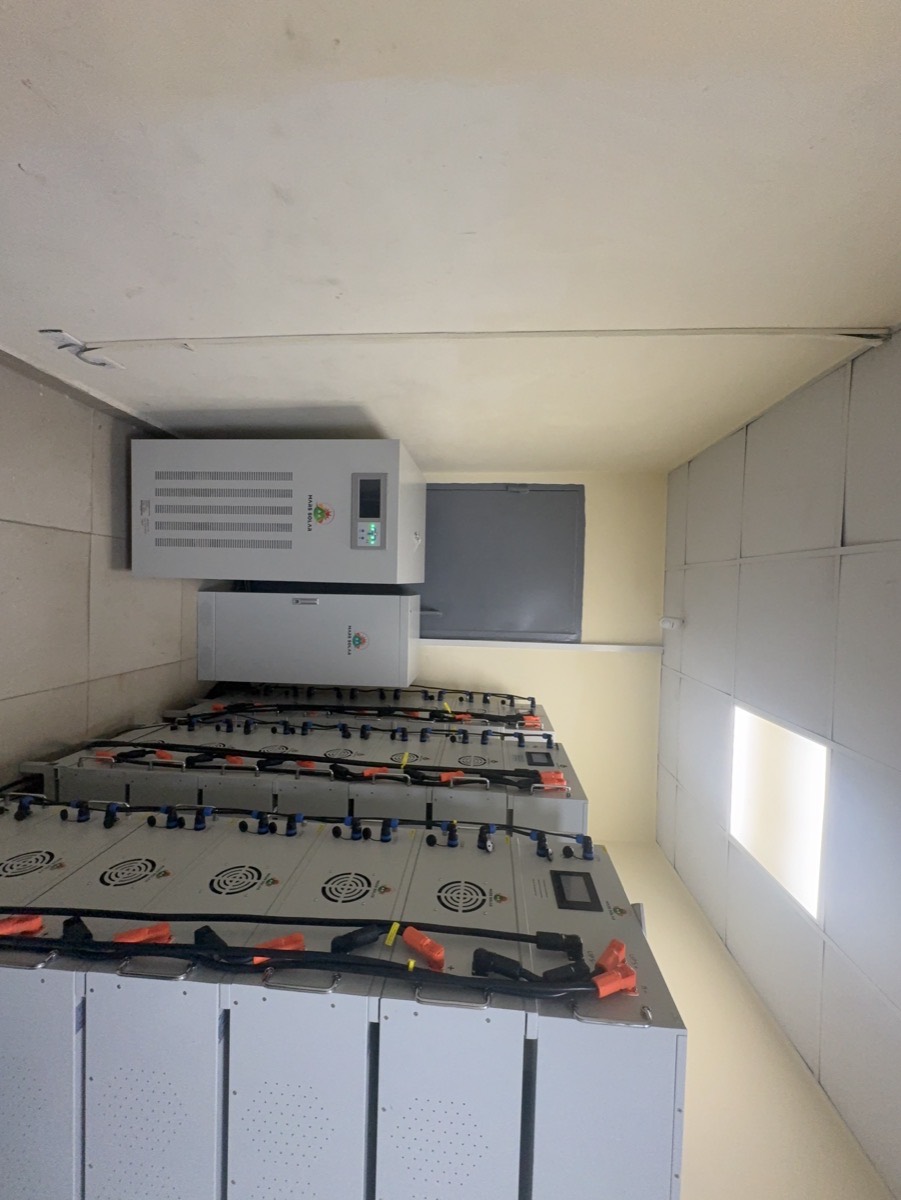
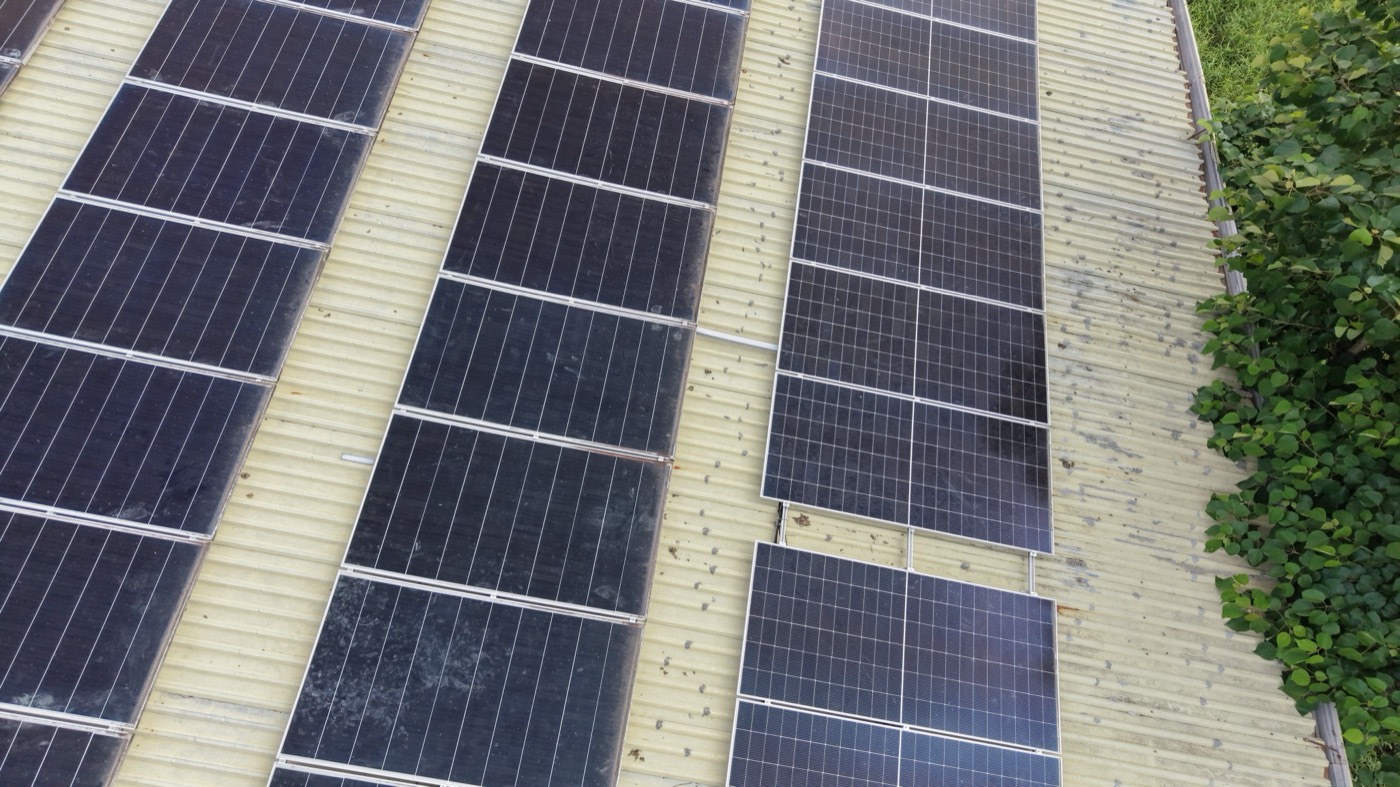
Representative site photographs.
Request the reference closest to your load profileChoose your application
Each application has a different load shape, and that changes the configuration more than the site size does.
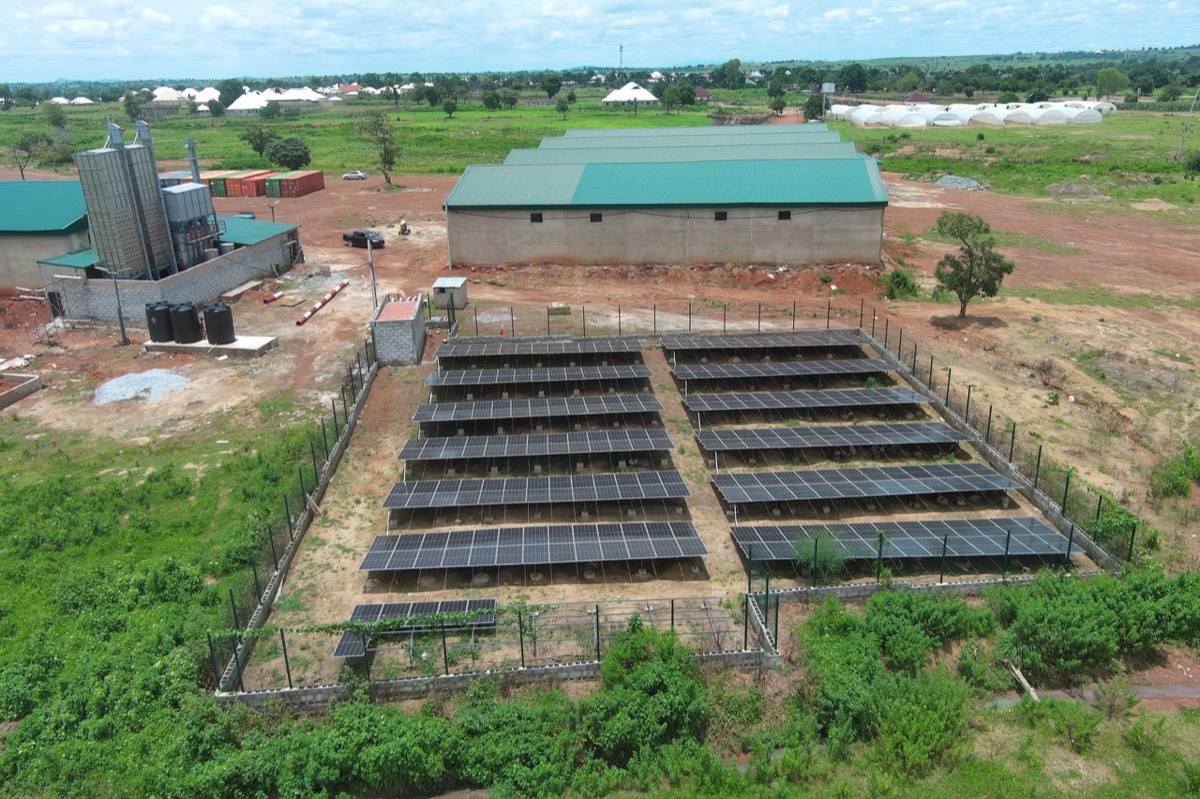
Factories & Manufacturing
Shift loads, motor starting currents and demand peaks that set a monthly maximum.
See factory configurations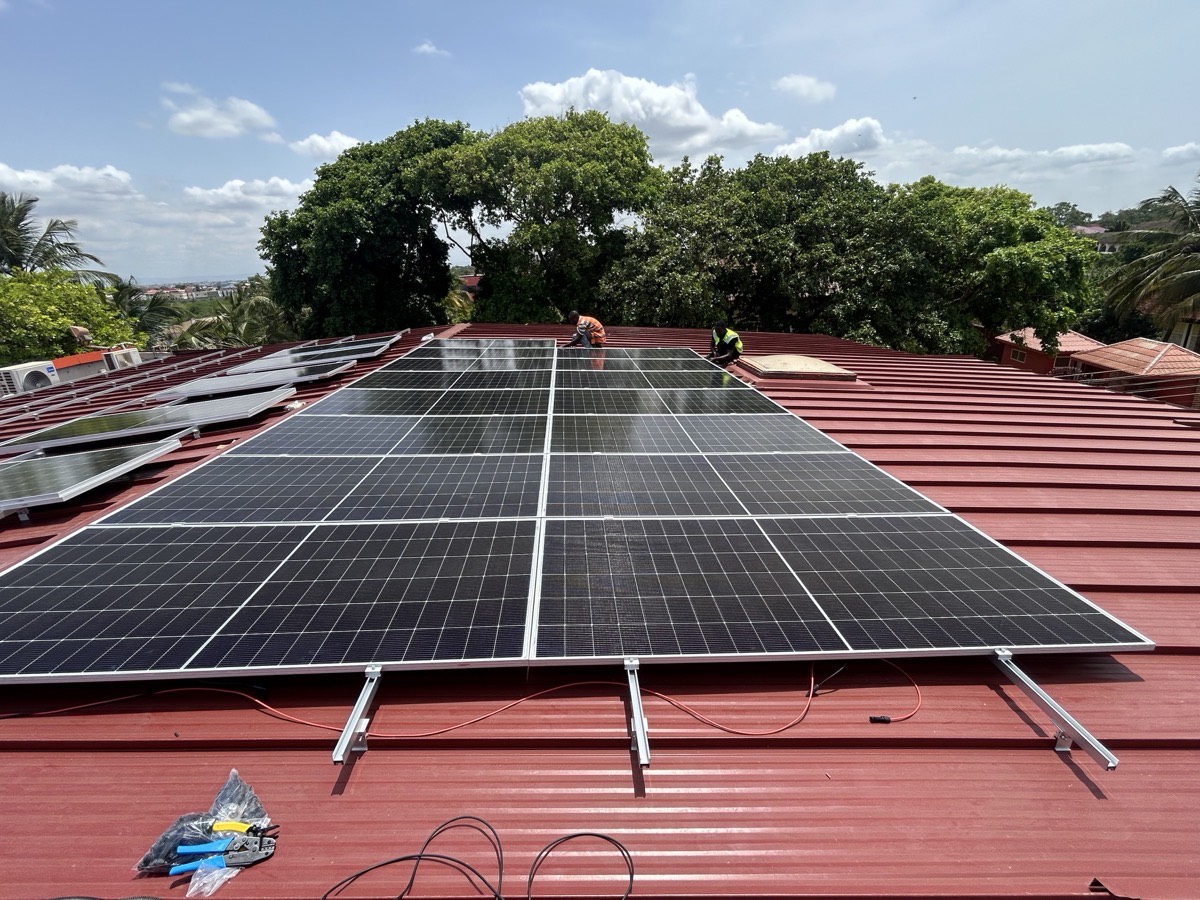
Hotels & Resorts
Evening peak after sunset, guest comfort loads, and generator dependence during outages.
See hotel configurations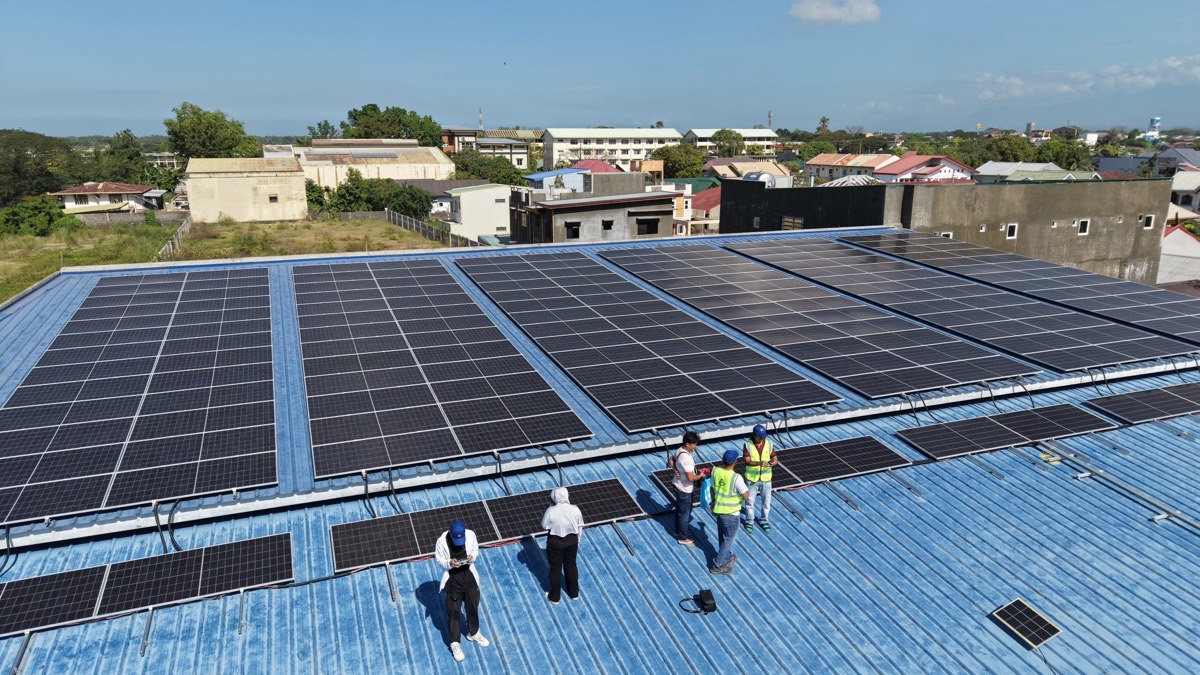
Cold Storage & Processing
Continuous cooling loads where an outage is a product loss, not an inconvenience.
See cold storage sizing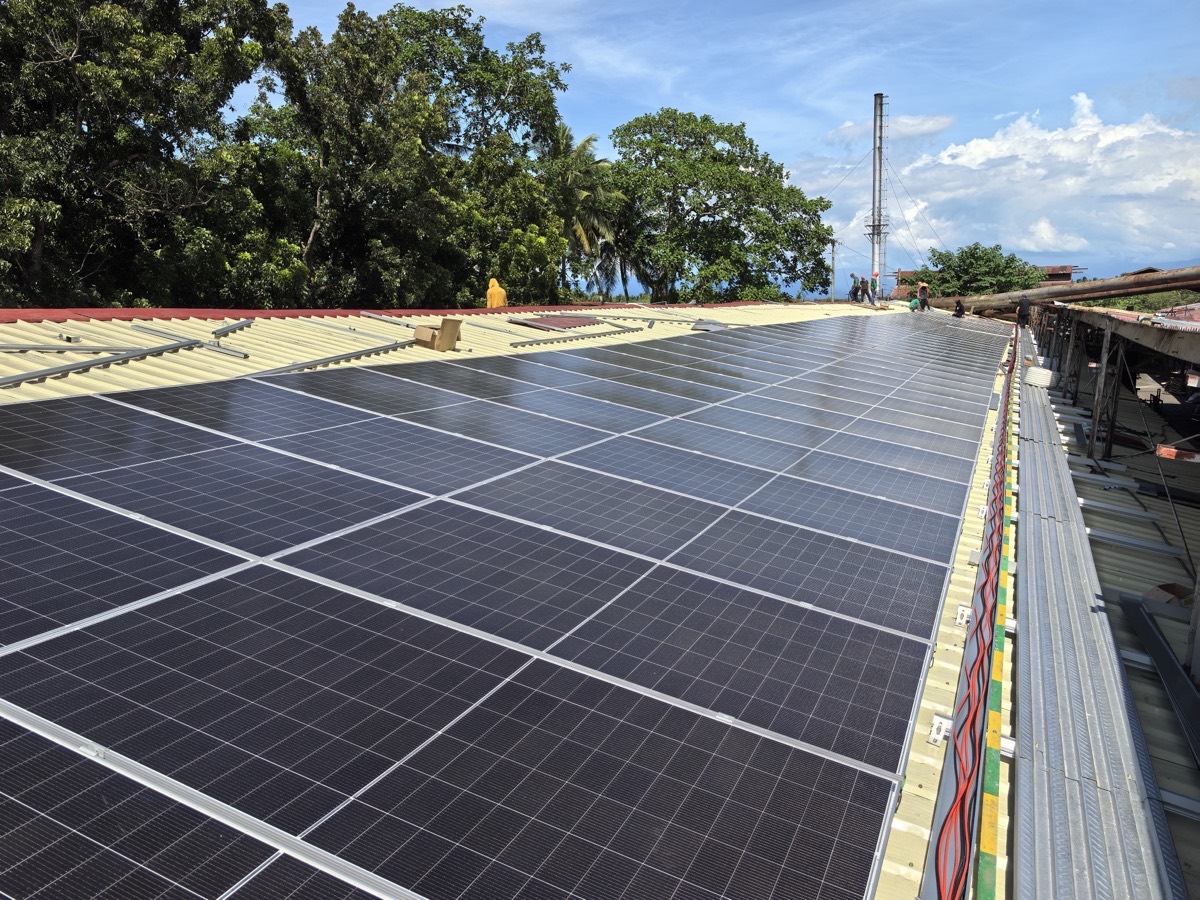
EPC & Installation Partners
Configuration support, equipment supply and documentation you can hand to your client.
See supply scopeReference configurations
Pre-engineered starting points, not fixed packages. Final capacity is set against your load schedule.
Sized to your load
- Battery range
- Under 100 · 100–300 · 300+ kWh
- Converter
- Per load schedule
| Configuration | PV | Storage | Converter | Typical fit |
|---|---|---|---|---|
| 100 kW / 215 kWh | 100 kW | 215 kWh | 100 kW hybrid | Small factory, resort, retail campus |
| 125 kW / 261 kWh | 125 kW | 261 kWh | 125 kW hybrid | Mid-size factory, hotel with laundry |
| Sized to your load | Under 100 kWh · 100–300 kWh · above 300 kWh | Per load schedule | Requirements between or beyond the two configurations above | |
How to read this table: match your continuous and peak demand to the converter column first — that is the constraint that disqualifies a configuration fastest — then check the storage column against your backup requirement.
All figures above are nameplate values. Usable energy and backup duration depend on the usable state-of-charge window, converter efficiency, ambient temperature and load profile, and are calculated per project — see how we size a system.
Engineering and quality evidence
Everything here you can review before placing an order — test items, a design sample, and the documents behind them.
Factory test items
The test items below are performed and recorded before shipment. The record format and the acceptance values are specified in the supply contract, so you know what you are signing for.
| Test | What is checked |
|---|---|
| Visual and mechanical | Enclosure, labelling, torque check, connector seating |
| Insulation and dielectric | Insulation resistance, withstand voltage |
| Protection and communication | Breaker and BMS alarms, communication with monitoring platform |
| Capacity and charge–discharge | Charge and discharge cycle at rated current, recorded curves |
| Documentation package | Test record, as-built configuration table, equipment datasheets |
We do not publish a single test duration for all products. Duration and load level are agreed per configuration, because a figure that applies to nothing is worth less than a specification you can hold us to.
Design sample
A redacted sample pack is available before contract, containing:
- Single-line diagram with protection and metering points
- Configuration table: PV, PCS, battery, grid interface
- Load schedule template with critical / deferrable classification
- Scope split table: supplied, installed, commissioned
EPC partners usually review the single-line diagram first. It shows whether the design is buildable on site faster than any datasheet does.
Request the sample packHow a project runs
- 01
You send the inputs
Electricity bill or load list, site location, grid status, and the loads that must stay on during an outage.
- 02
We review and clarify
We come back with the gaps in the data — usually peak demand, starting current, and whether export is permitted.
- 03
Configuration and proposal
Equipment list, single-line diagram, scope split, commercial terms. Every line states whether it is included or excluded.
- 04
Factory testing and documents
Test record, datasheets and packing list are issued before shipment.
- 05
Delivery and commissioning support
Delivery terms as agreed. Commissioning support and after-sales technical response are defined per project, not promised generically.
Procurement questions
The five questions buyers ask before they will discuss a project.
Who handles installation and commissioning?
By default, your team or a local installation partner. We supply equipment, configuration and commissioning support. If you need us on site, we quote it as a separate line with named engineers and a defined scope, and it only applies where we can legally provide the service. Either way, the quotation states which model applies, so both sides know the arrangement before the contract is signed.
What is included in a quotation?
Every quotation lists, line by line: equipment, balance-of-system, packaging, inland transport, freight, insurance, duties and taxes, installation, commissioning, and training. Each line is marked included or excluded. If a line is excluded, it is because it is normally handled locally — not because it was left out by accident. For a buyer-side checklist, see what a complete quotation should contain.
What is the lead time?
Lead time is confirmed after the configuration is fixed, because it depends on the equipment mix and on production scheduling at that moment. The proposal includes a written delivery window built around your site date — if the date is fixed, tell us first, because it can change which configuration we recommend.
What warranty applies?
Warranty is set per component, not as one number for the whole system. PV modules, inverter/PCS and battery each carry their own terms and their own claim process, and the applicable terms for your configuration are attached to the quotation. The document that governs is the one issued with your order, so read it before signing rather than after a fault.
Are spare parts available?
Consumables and commonly replaced parts are listed in the proposal with their part numbers, so you can decide what to hold locally. Critical spares can be shipped with the main order to avoid a second freight cycle. We do not claim a local stock presence in every market — where we do not have one, we say so.
Related guides
Request a system proposal
Send the four inputs below and we will come back with a configuration, a scope split and a quotation. If the data is incomplete we will tell you what is missing instead of guessing.
- Electricity bill, or a load list with continuous and peak kW
- Site country and whether the site is grid-connected
- Which loads must stay on during an outage
- Required backup duration, or the site date you are working to
Typical response within two business days. If you are an EPC sending a tender package, say so and include the closing date.